
Scene was comissioned by Selkirk Regneration to undertake a Phase 2 feasibility study exploring the development opf a Local Energy Club in Selkirk. Building on earlier work, the the study focussed on assessing the technical, commercial, and financial viability of a community-led model for sharing locally generated renewable electricity.
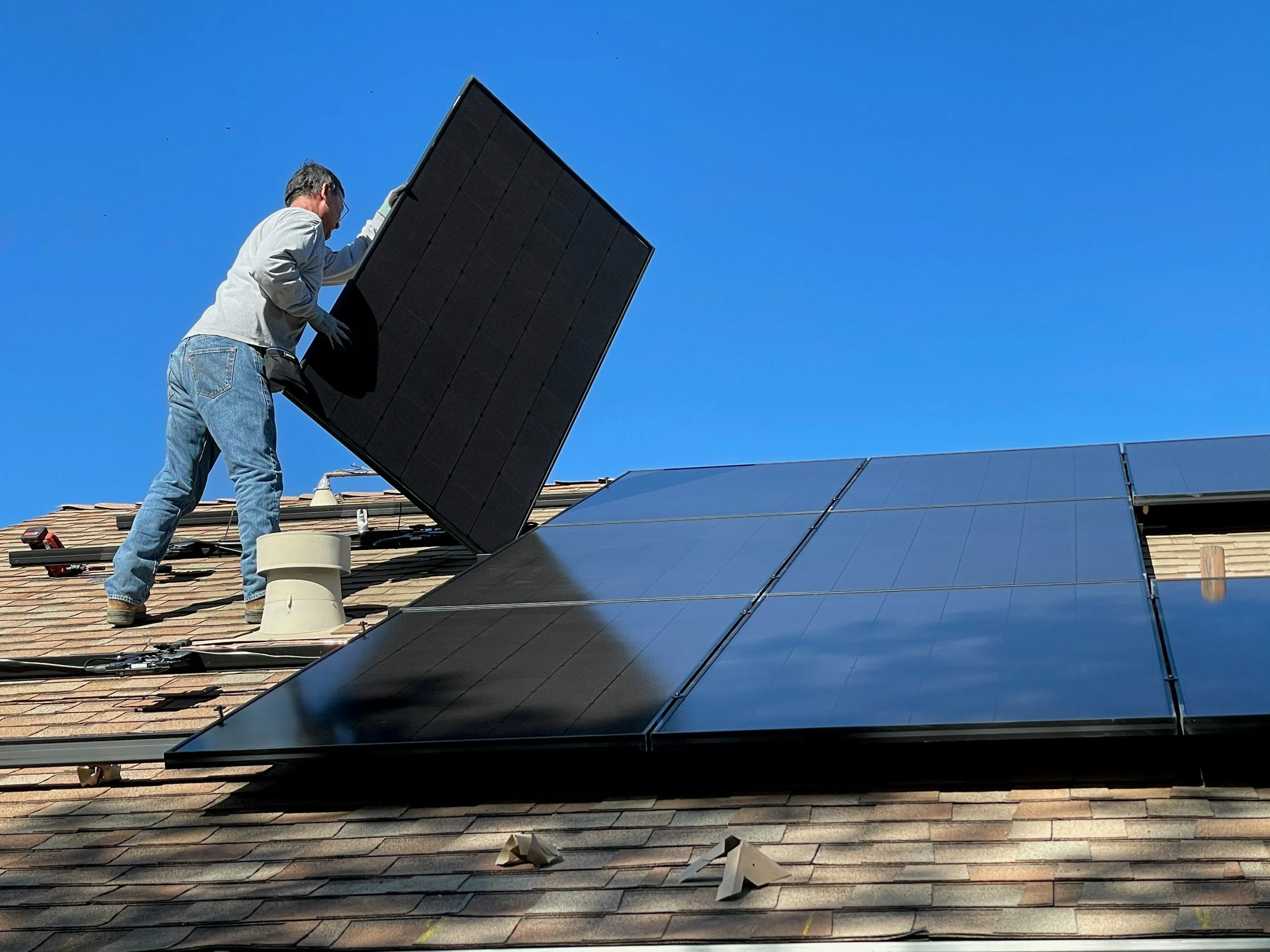
The project evaluated a distributed solar PV approach, identifying suitable rooftops across the town, and modelling generation profiles against local electricity demand from both households and businesses. Using half-hourly demand and generation data, the study assessed the potential for virtual local matching via a licensed supplier, enabling participants to access locally generated electricity without the need for private wire infrastructure.
A key component of the work involved financial modelling to test different scenarios, including variations in installed capacity, member uptake, and local tariff structures. The analysis demonstrated that a Local Energy Club could deliver meaningful bill savings for participants while generating a stable income stream to support community benefit. The study also explored governance and delivery structures, including the establishment of a Special Purpose Vehicle to manage operations and ensure long-term local ownership.
In addition, the project reviewed relevant regulatory developments, including emerging market mechanisms that support local energy supply and cost reallocation. The outputs of the study provide a clear pathway towards pilot implementation, including recommended delivery models, stakeholder engagement strategies, and next steps for procurement and partner selection.
Overall, the study concludes that a Selkirk Local Energy Club is both technically feasible and commercially viable, with strong potential to deliver local economic, social, and environmental benefits.